Why Hong Kong Drinks So Much Wine — and Buys So Little of It Online

A friend asked me last week: “What’s a good HK$400 wine for my girlfriend’s parents?”
He spent 40 minutes on Google. Opened six tabs. Called a shop. Gave up and bought a bottle of whisky.
This happens in Hong Kong every single day. And it says something uncomfortable about the state of one of the world’s most wine-loving cities.
The Paradox No One Talks About
Hong Kong drinks more wine per capita than almost anywhere in Asia. We host Vinexpo. We removed wine duty in 2008 and turned the city into a global auction hub. Sotheby’s, Christie’s, Zachys — they all set up here for a reason.
And yet, less than 10% of wine purchases in Hong Kong happen online.
Compare that to fashion (over 40%), electronics (over 50%), or even groceries (climbing past 20% post-pandemic). Wine — a category that should be perfect for e-commerce — is stuck in 2005.
It’s not because Hongkongers don’t want to buy wine online. It’s because the online experience is quietly, stubbornly terrible.
Three Broken Things
One: Discovery is intimidating.
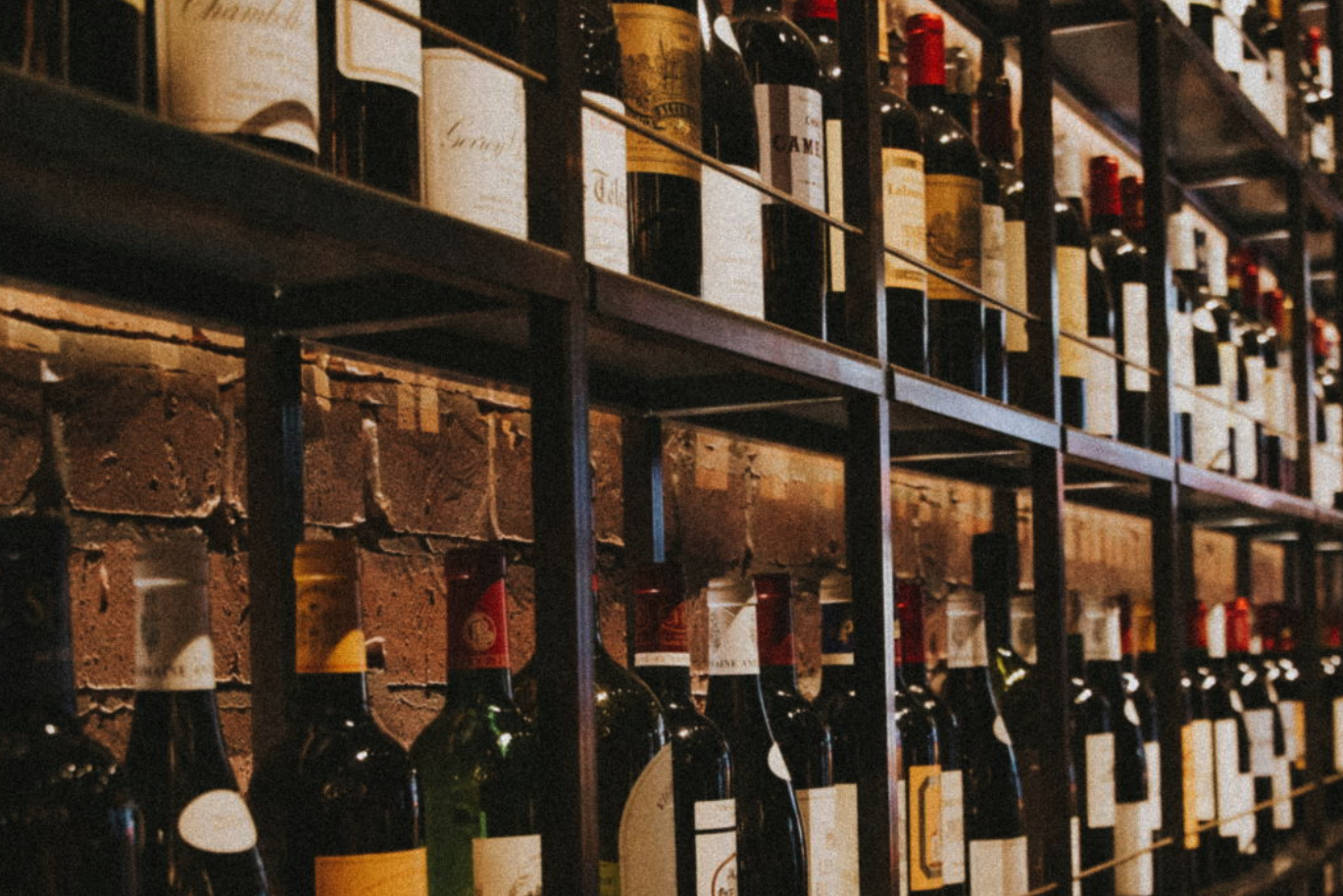
Walk into any wine shop and you’re staring at 500 bottles, most with French names you can’t pronounce and price tags between HK$120 and HK$12,000. Online, it’s worse — you get a search bar and a wall of thumbnails. There’s no one to ask. The 5-star reviews are written by strangers with wildly different palates from yours. So most people default to the same three bottles they already know, or they buy nothing at all.
Two: Buying is fragmented.
Hong Kong has hundreds of wine merchants. Watson’s Wine. Ponti. Wine’n’Things. RNG. Independent importers. Each one has its own website, its own cart, its own delivery window, its own minimum order. If you want to compare a Burgundy across three shops, you’re opening three tabs, creating three accounts, and paying three delivery fees. Nobody has time for that on a Friday afternoon.
Three: Delivery insults the product.
A HK$2,000 bottle of Barolo does not want to sit in a 32°C warehouse for four days. Wine is a living product — heat cooks it, sunlight bleaches it, movement stresses it. Yet most local wine e-commerce treats a case of Grand Cru like a stack of paperbacks. Ordered on Monday, delivered on Friday if you’re lucky, and you’ll never know what condition it arrived in until you pull the cork.
Wine Is the Last Premium Category Where Buying Feels Worse Than the Product
Think about that for a second.
You can buy a Rolex online in 90 seconds with concierge delivery. You can configure a Tesla from your couch. You can get sashimi flown from Tsukiji to your door in six hours.
But buying a good bottle of wine in Hong Kong — a city obsessed with wine — still feels like doing your taxes.
That’s the gap. And it’s a big one.
What Fixing It Actually Looks Like
At VinoBuzz, we’ve spent the last year building for exactly this problem. Not as a nicer-looking wine shop. As a completely different way to buy wine.
The centerpiece is Nora, our AI sommelier. You tell her your taste, the occasion, and your budget — in whatever language, however casually. “Something for my girlfriend’s parents, they like steak, nothing too oaky, around HK$500.” In 10 seconds, she recommends the right bottle from over 4,000 SKUs across Hong Kong’s top importers.
No jargon. No upsell. No “have you considered our premium Bordeaux collection, sir?”
Behind Nora sits a unified marketplace. One cart across multiple merchants. One checkout. One payment. And temperature-controlled cold-chain delivery in as fast as four hours for eligible products — so the bottle that arrives is the bottle the winemaker made.
That’s it. That’s the whole idea. Remove the friction, remove the intimidation, respect the product.
Download the Medium app
Why Hong Kong Drinks So Much Wine — and Buys So Little of It Online
A friend asked me last week: “What’s a good HK$400 wine for my girlfriend’s parents?”
He spent 40 minutes on Google. Opened six tabs. Called a shop. Gave up and bought a bottle of whisky.
This happens in Hong Kong every single day. And it says something uncomfortable about the state of one of the world’s most wine-loving cities.
The Paradox No One Talks About
Hong Kong drinks more wine per capita than almost anywhere in Asia. We host Vinexpo. We removed wine duty in 2008 and turned the city into a global auction hub. Sotheby’s, Christie’s, Zachys — they all set up here for a reason.
And yet, less than 10% of wine purchases in Hong Kong happen online.
Compare that to fashion (over 40%), electronics (over 50%), or even groceries (climbing past 20% post-pandemic). Wine — a category that should be perfect for e-commerce — is stuck in 2005.
It’s not because Hongkongers don’t want to buy wine online. It’s because the online experience is quietly, stubbornly terrible.
Three Broken Things
One: Discovery is intimidating.
Walk into any wine shop and you’re staring at 500 bottles, most with French names you can’t pronounce and price tags between HK$120 and HK$12,000. Online, it’s worse — you get a search bar and a wall of thumbnails. There’s no one to ask. The 5-star reviews are written by strangers with wildly different palates from yours. So most people default to the same three bottles they already know, or they buy nothing at all.
Two: Buying is fragmented.
Hong Kong has hundreds of wine merchants. Watson’s Wine. Ponti. Wine’n’Things. RNG. Independent importers. Each one has its own website, its own cart, its own delivery window, its own minimum order. If you want to compare a Burgundy across three shops, you’re opening three tabs, creating three accounts, and paying three delivery fees. Nobody has time for that on a Friday afternoon.
Three: Delivery insults the product.
A HK$2,000 bottle of Barolo does not want to sit in a 32°C warehouse for four days. Wine is a living product — heat cooks it, sunlight bleaches it, movement stresses it. Yet most local wine e-commerce treats a case of Grand Cru like a stack of paperbacks. Ordered on Monday, delivered on Friday if you’re lucky, and you’ll never know what condition it arrived in until you pull the cork.
Wine Is the Last Premium Category Where Buying Feels Worse Than the Product
Think about that for a second.
You can buy a Rolex online in 90 seconds with concierge delivery. You can configure a Tesla from your couch. You can get sashimi flown from Tsukiji to your door in six hours.
But buying a good bottle of wine in Hong Kong — a city obsessed with wine — still feels like doing your taxes.
That’s the gap. And it’s a big one.
What Fixing It Actually Looks Like
At VinoBuzz, we’ve spent the last year building for exactly this problem. Not as a nicer-looking wine shop. As a completely different way to buy wine.
The centerpiece is Nora, our AI sommelier. You tell her your taste, the occasion, and your budget — in whatever language, however casually. “Something for my girlfriend’s parents, they like steak, nothing too oaky, around HK$500.” In 10 seconds, she recommends the right bottle from over 4,000 SKUs across Hong Kong’s top importers.
No jargon. No upsell. No “have you considered our premium Bordeaux collection, sir?”
Behind Nora sits a unified marketplace. One cart across multiple merchants. One checkout. One payment. And temperature-controlled cold-chain delivery in as fast as four hours for eligible products — so the bottle that arrives is the bottle the winemaker made.
That’s it. That’s the whole idea. Remove the friction, remove the intimidation, respect the product.
Why This Matters Beyond Wine
The interesting thing isn’t that we built an AI wine app. The interesting thing is what the wine problem tells us about the next decade of commerce.
Vinobuzz.ai