Why Most Hong Kong Wine Buyers Never End Up With the Right Bottle
90% of wine in Hong Kong is still bought offline.
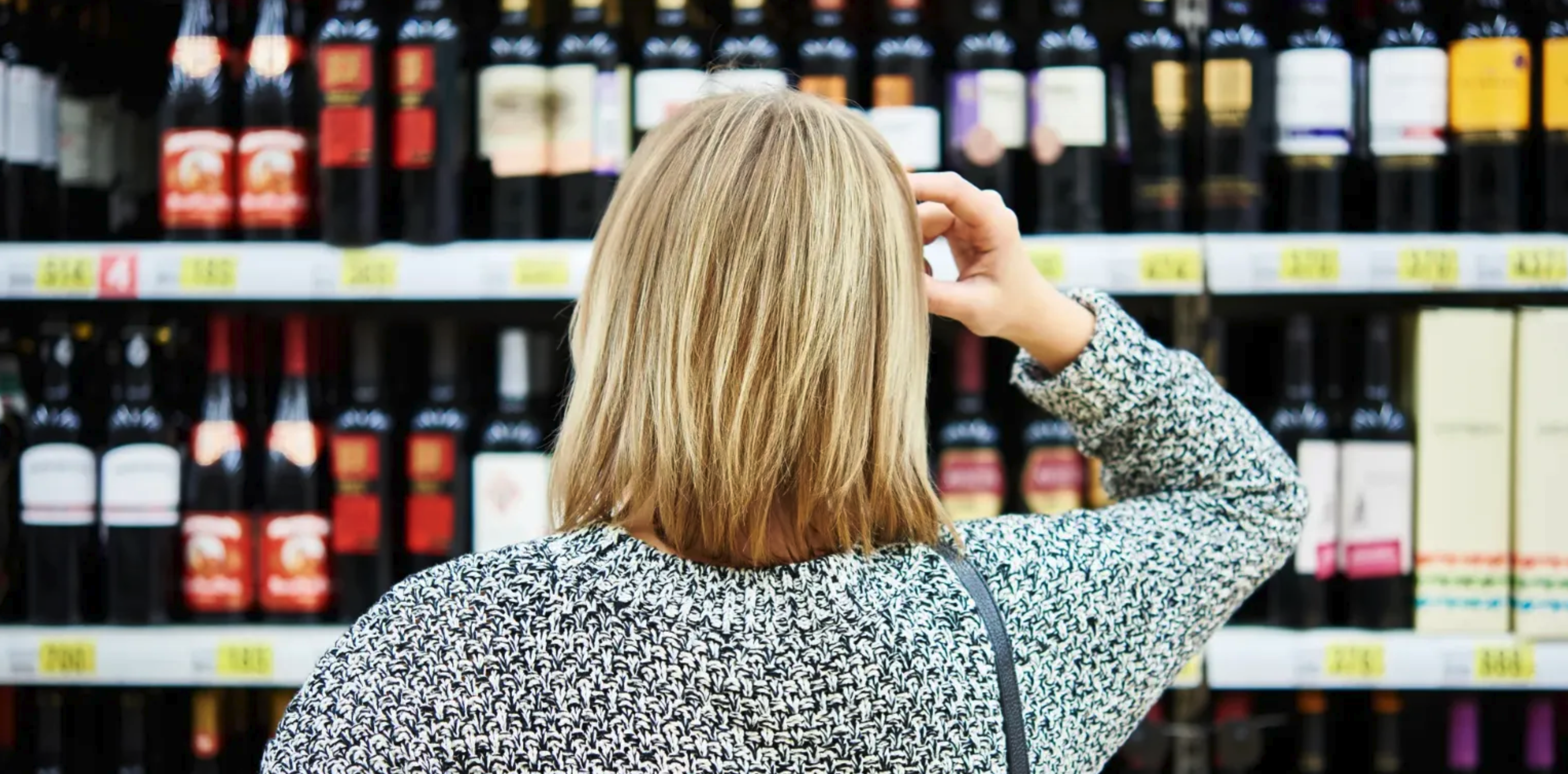
That means most people are walking into shops, standing in front of shelves, and trying to make a decision with almost no useful information — in an environment that quietly judges you for not already knowing the answer.
The other 10% went online. They hit a different wall.
Either way, most people end up with a bottle they didn’t really want.
That’s not a personal failure. That’s a broken system.
───
The offline problem: pressure, judgement, and a bottle you didn’t want
Walk into most wine shops in Hong Kong and the experience goes one of two ways.
The staff approaches. They ask what you’re looking for. You say you’re not sure. They ask whether you prefer red or white, full-bodied or light, Old World or New World. You don’t know what half of that means. You feel like you’re failing a test you didn’t sign up for.
So you point at something. It looks fine. The label is nice. You buy it and leave as quickly as possible.
Most people have done this. Most people do it every time.
The other scenario: you already know what you want — a specific bottle someone recommended, something you had at a restaurant last month. You go to one shop. They don’t have it. You try another. Same. You go home with something else, or nothing at all.
Wine retail was not designed for people who are still figuring out what they like. It was designed for people who already know — and everyone else just has to manage.
───
The online problem: a different wall, same result
So you try buying online. There are dozens of stores. Every one claims to be the biggest and most affordable.
You open one. It has 4,000 wines. There are filters for region, vintage, grape variety, tannin structure. For anyone who doesn’t already speak wine, this is just another language. The site displays options. It doesn’t help you choose.
You scroll. You pick something mid-range. The label looks good. You checkout.
Become a Medium member
It arrives. You drink it. It’s… fine.
Different channel. Same outcome.
───
The real problem
Both experiences share the same flaw: the entire system assumes you already know wine.
The filters, the questions, the shop floor vocabulary — all of it was built for people with existing knowledge. If you’re still building yours, you’re expected to figure it out yourself, or fake it until you do.
Most people just keep guessing. Most guesses miss.
───
VinoBuzz was built for everyone the system ignored
VinoBuzz isn’t another wine shop. It’s an AI wine matching platform built on a different premise: you shouldn’t need to know wine to find wine you’ll actually enjoy.
It asks about your life, not your wine vocabulary.
What do you normally eat? What do you usually drink — coffee, juice, bubble tea? Do you lean sweet or dry? Buying for yourself or as a gift? What’s your budget?
Ten seconds. The AI matches you to a bottle based on your actual taste profile — not how much you know about grapes.
No sales pressure. No judgement.
No one’s going to ask you a question you can’t answer. No awkward shop floor moment. No feeling like you’re supposed to already know this. Whether you’re a complete beginner or just someone who doesn’t want to think too hard — it works either way.
Looking for a specific bottle? Search it directly.
No more driving to three shops hoping they have stock. Search the bottle on VinoBuzz, see if it’s available, and order. Done.
The best place to start if you’re new to wine.
You don’t need to arrive with knowledge. Tell the AI what you eat and drink. It picks the bottle most likely to match your palate. Drink it, note what you liked and didn’t. Next time, your answers are sharper. The recommendations get better. The more you use it, the more you understand your own taste.
───
Drink Different
→vinobuzz.ai — tell the AI what you eat and drink, get matched to your first bottle in 10 seconds, delivered in hours.